

At ModEco Home, we believe beautiful wallpaper starts long before the first roll is hung. We can help with measurements but the quality of the finished installation depends heavily on what is underneath it. A smooth, clean, dry and stable wall gives wallpaper the foundation it needs to adhere properly and look its best. This is why we always recommend assessing and taking steps to prepare a wall for wallpaper before installing. Whether you are working with unpainted drywall, cracked or peeling paint, humidity spots, knockdown texture, orange peel texture or popcorn texture, each surface requires its own preparation.
The good news is that many walls can be made wallpaper-ready with the right preparation. The important thing is not to use wallpaper as a way of covering up an underlying wall problem.
Can You Wallpaper Over Unpainted Drywall?
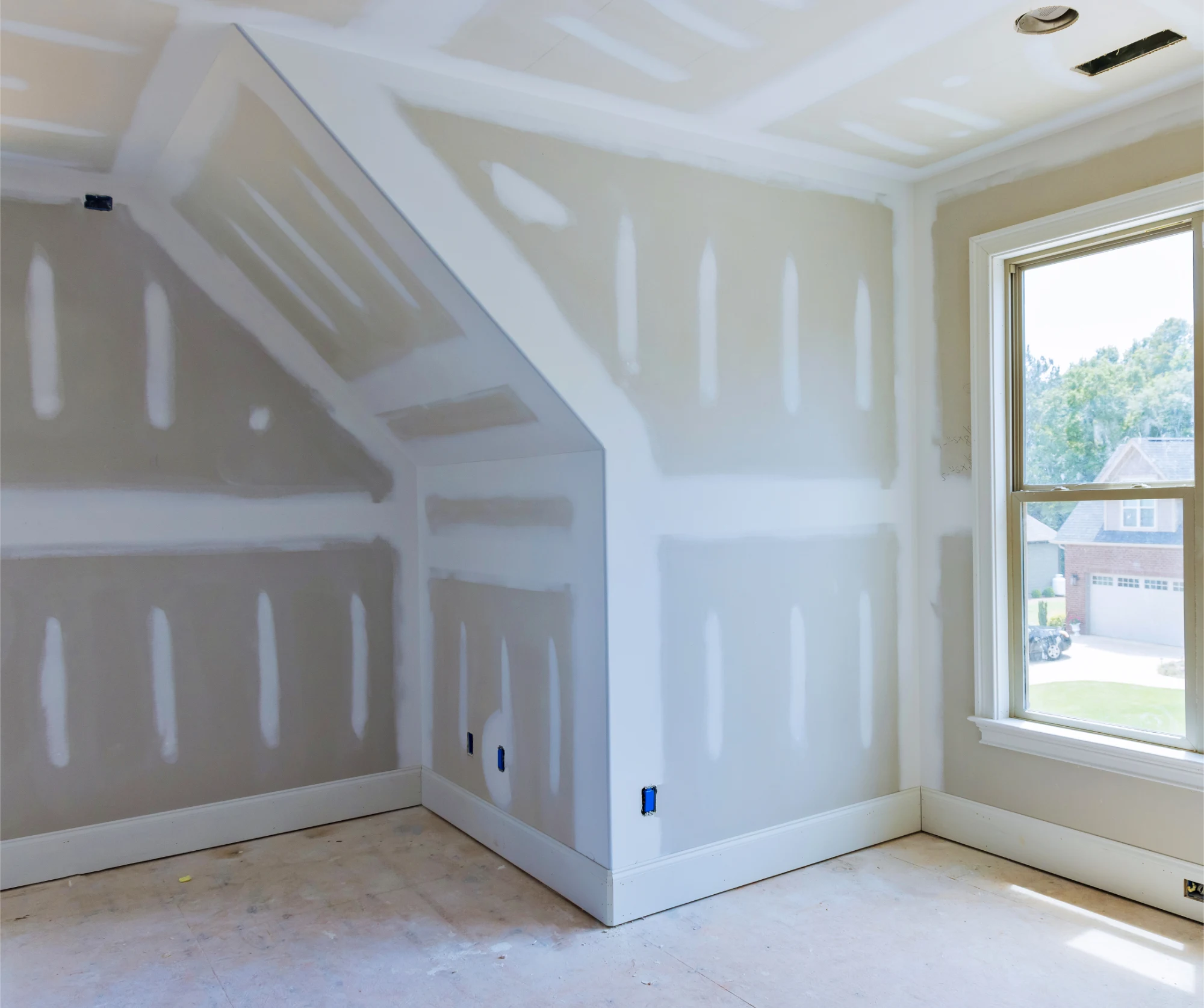
One of the most common questions we hear is, “Can you wallpaper over unpainted drywall?” While it may be possible, we would not recommend applying wallpaper directly to bare, unfinished drywall. Unpainted drywall is porous and can absorb wallpaper adhesive unevenly. This can make installation more difficult and may also make future wallpaper removal more likely to damage the drywall surface.
Fully prepared, now time to choose! Wall Mural or Wallpaper: Which Is Right for Your Home? – ModEco
At ModEco Home, we recommend first inspecting the wall for nail holes, drywall seams, dents, ridges and sanding marks. Any imperfections should be filled and sanded smooth. The wall should then be thoroughly cleaned to remove sanding dust before applying an appropriate wallpaper primer or wall sealer. Priming helps create a more consistent surface and gives you a better foundation for wallpaper installation. This preparation is particularly important when using smooth, light-coloured or premium wallpaper, because imperfections underneath can become surprisingly visible.
Can You Wallpaper Over Cracked or Peeling Paint?
Wallpaper over crackedwalls or peeling paint is another situation that requires preparation. Wallpaper adheres to the surface underneath it, so if that surface is loose, the wallpaper can eventually become loose too. Before wallpapering a wall with cracked or peeling paint, determine why the paint is failing. Poor preparation, age, moisture and movement can all contribute to cracking or peeling. If moisture is responsible, that issue needs to be resolved before any cosmetic repair begins. Loose paint should be carefully removed rather than simply covered. Once the unstable material is gone, damaged areas can be repaired with suitable filler or joint compound. These repairs should be allowed to dry fully before being sanded smooth.

Prepare proerly, then measure – How Much Wallpaper Do I Need? Use Our Calculator to Find Out – ModEco
The transition between repaired and existing areas should be feathered so there are no raised edges. After sanding, remove all dust and apply an appropriate primer before wallpaper installation. Can wallpaper hide minor cracks? Sometimes it can disguise small imperfections, but it should never be considered a solution for an ongoing structural problem. If the wall continues to move or deteriorate, the damage may eventually show through the wallpaper.
What About Humidity Spots and Water Stains?
If your wall has humidity spots, water stains, damp patches or mould, stop before reaching for the wallpaper. At ModEco Home, we always recommend addressing the source of the moisture first. Wallpaper should be installed on a dry wall, not used to conceal an active leak or damp problem. Moisture can come from plumbing leaks, roof or window leaks, condensation, poor ventilation or water penetrating from outside. Until the source has been corrected, wallpaper may lift, bubble, stain or lose adhesion. Persistent moisture can also contribute to mould growth behind the wallcovering.
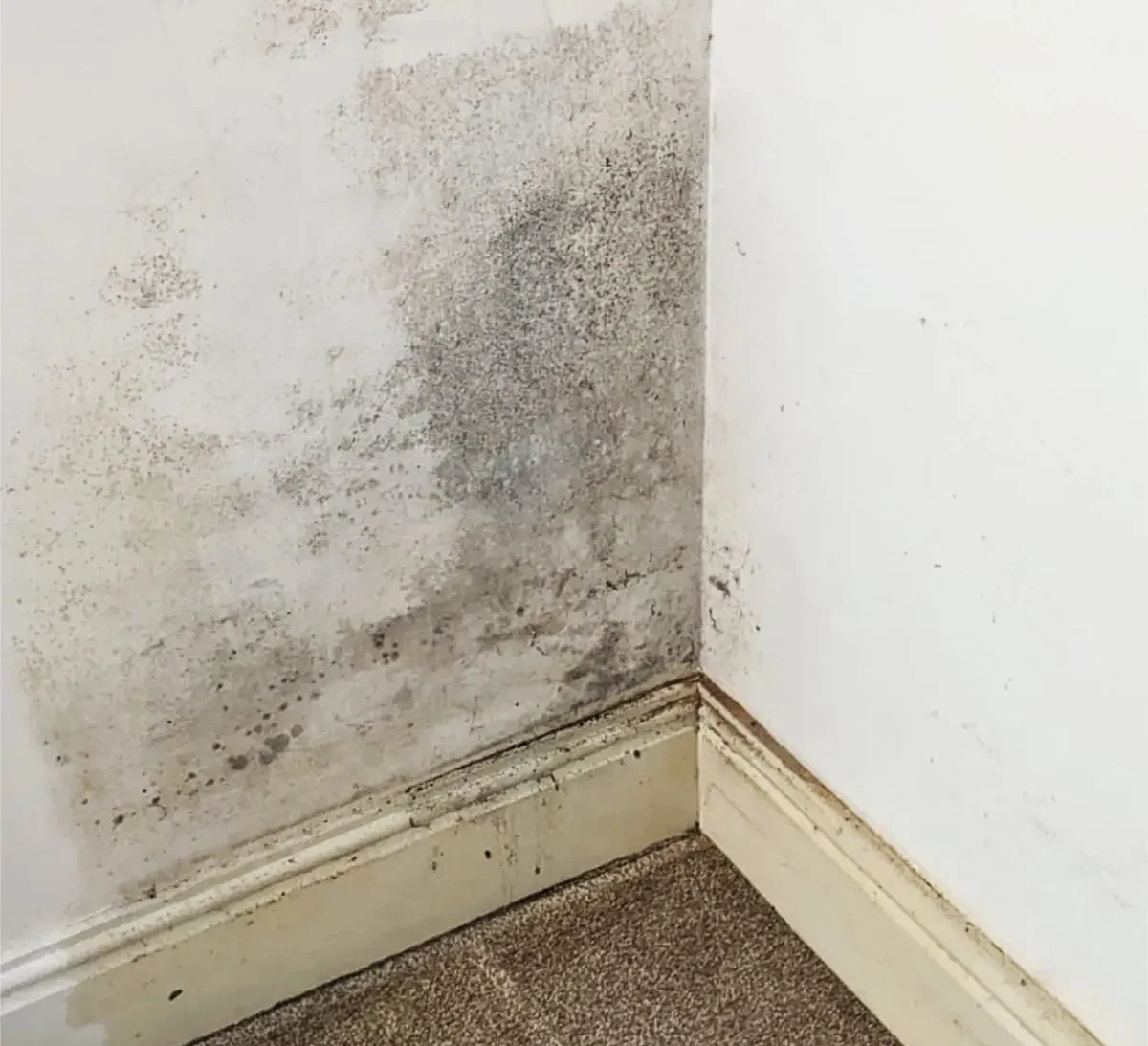
Once the moisture problem has been resolved, allow the wall to dry completely. Any mould or contamination should be dealt with appropriately, and water-damaged or softened wall material may need repair or replacement. After the wall is sound and dry, damaged areas can be filled, sanded and smoothed. Where appropriate, a suitable stain-blocking or wallpaper primer can then be used. The key point is simple: fix the moisture first, prepare the wall second, and install the wallpaper last.
Can You Wallpaper Over Knockdown or Orange Peel Texture?
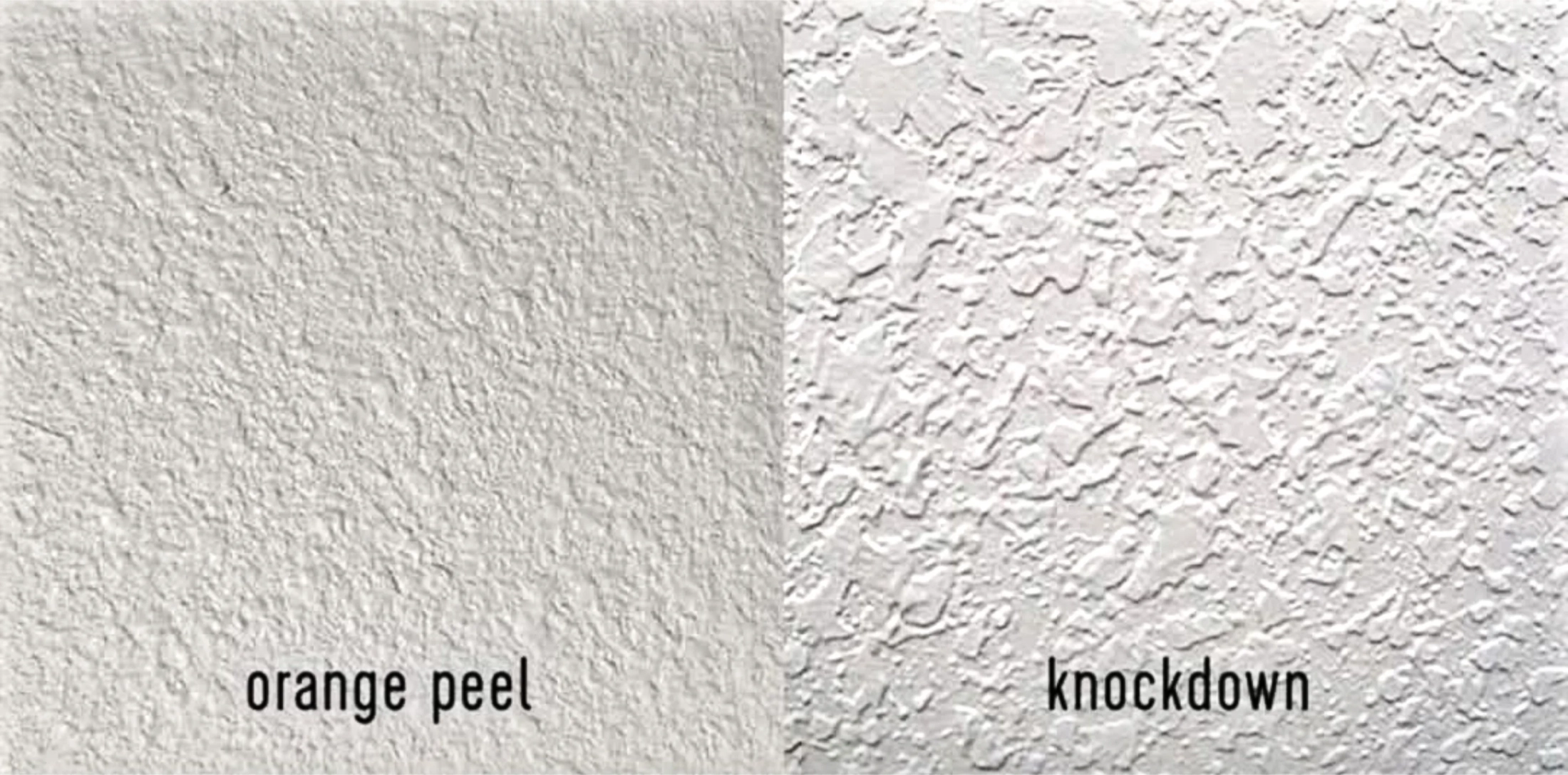
Textured walls can be more challenging. Knockdown texture and orange peel texture may look relatively subtle beneath paint, but wallpaper can reveal the raised areas and valleys underneath. The heavier the texture and the thinner or smoother the wallpaper, the greater the chance that the texture will show through. For lightly textured walls, preparation may involve reducing the texture and filling imperfections. For heavier texture, skim coating is often a better approach. A thin layer of joint compound or another suitable finishing material can be applied to create a smoother surface. Depending on the texture, more than one coat may be necessary.
Ensure your walls are smooth, then it’s time to install! – How to Apply Peel and Stick Wallpaper like a Pro – A Guide – ModEco
Once dry, the surface should be sanded smooth and thoroughly cleaned. A suitable wallpaper primer can then provide the final preparation before installation. At ModEco Home, our goal is not simply to get wallpaper onto the wall; it is to create a finish that looks intentional, seamless and professionally installed.
Can You Put Wallpaper Over Popcorn Texture?
Of all the surfaces shown in our guide, popcorn texture is one of the least suitable for direct wallpaper installation. Its highly raised and irregular surface can prevent wallpaper from making consistent contact with the wall. This can lead to visible bumps, uneven seams, poor adhesion and an overall distorted appearance. If you are asking, “Can you wallpaper over popcorn walls?”, our recommendation is to prepare the surface first. Depending on the wall and the existing coating, this may involve removing the texture or applying a suitable skim coat to create a flatter surface. Older textured coatings should be assessed carefully before they are disturbed, as some older materials may require appropriate testing and professional handling.
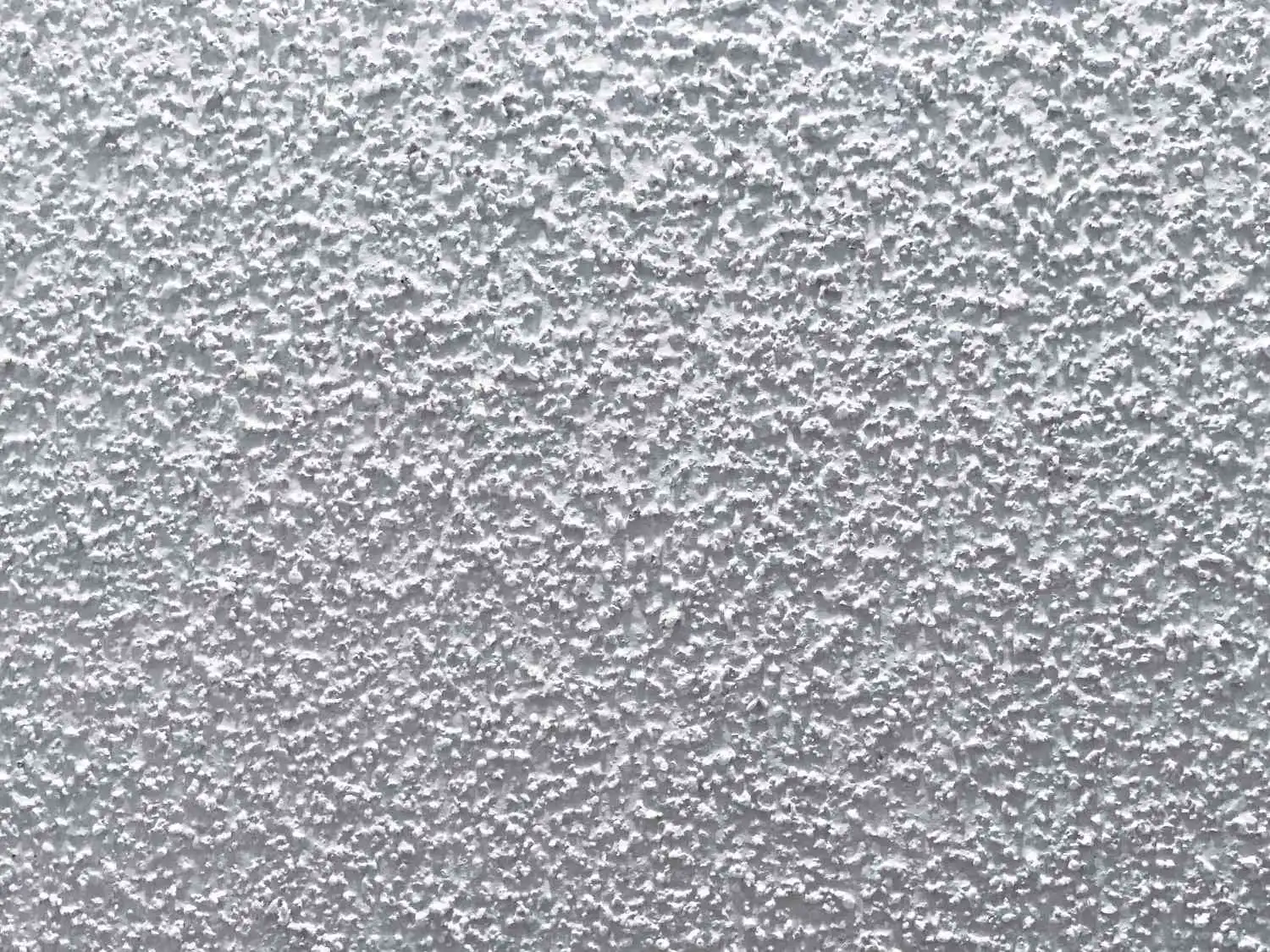
After the texture has been removed or sufficiently covered, the wall should be repaired, sanded smooth and cleaned thoroughly. Once dry, an appropriate wallpaper primer can be applied before installation. While some heavier wallpapers may disguise minor texture, we believe that creating a genuinely smooth surface is the better approach when you want a polished, high-quality result.
The ModEco Home Approach to Prepare A Wall for Wallpaper
Whatever type of wall you have, the fundamental rule remains the same: wallpaper, whether traditional ‘paste-the-wall’, ‘pre-pasted or ‘peel and stick‘, needs a smooth, clean, dry and stable surface. Before installing wallpaper, inspect the wall carefully. Repair holes and cracks, remove loose paint, address moisture problems, smooth heavy textures, eliminate dust and use the correct primer or wallcovering preparation product. Taking these steps may seem like extra work, but proper wall preparation for wallpaper can make installation easier, improve the finished appearance and help your wallpaper perform as intended.
At ModEco Home, we see wallpaper as more than a decorative covering. It is part of the overall finish of your space, and the quality of that finish starts with the wall underneath. So whether you are preparing bare drywall for wallpaper, repairing cracked paint, dealing with water stains, smoothing orange peel or knockdown texture, or preparing a popcorn wall, don’t skip the preparation stage.
Prepare the wall properly, and your wallpaper has the foundation it needs to look beautiful for years to come.


